Herbal therapeutics for the common cold – a humoral approach
Every year, as the light fades and the air cools, colds begin to circle through homes and classrooms. We reach for tissues, teas, and remedies – small comforts against the chill. In herbal medicine, though, a cold is never just a collection of symptoms. It’s an invitation to look closer at how each person experiences illness, and how the body’s natural balance can be restored.
Our ancestors understood this well. Long before we had names for viruses, they spoke in the language of qualities – hot and cold, damp and dry. These patterns helped them understand not only the season, but the person in front of them. And that’s still the foundation of energetic herbalism today.
Understanding energetics in cold treatment
Each temperament responds to a cold differently. By recognising these subtle differences, we can choose herbs that meet the person, not just the pathogen.
- Sanguine (Air) – lively and social by nature, but when unwell they tend toward congestion, streaming noses, and a tickly cough. Elderflower and thyme help to open and clear, bringing gentle relief.
- Phlegmatic (Water) – slower to fall ill but slower to recover, often with a deep, lingering cough or a sense of heaviness. Thyme and ground ivy help lift and dry this damp state, encouraging movement and clarity.
- Choleric (Fire) – colds come on suddenly and fiercely, with fever, heat, and irritability. Yarrow and linden flower help release heat, cool the system, and soothe the fiery temperament.
- Melancholic (Earth) – may feel bone-tired and withdrawn when unwell, needing warmth and gentleness. Lemon balm restores energy and comfort, calming both mind and body.
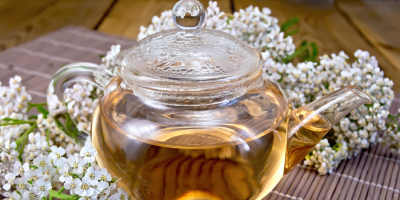
A simple base tea of yarrow, elderflower, and mint works well for most constitutions. It encourages sweating, clears the head, and supports recovery. From there, you can adapt the blend to the person’s temperament and current state. The key is not just in what you take, but in how you take it – warm infusions, regular rest, nourishing broths, and plenty of fluids. Herbs work best when paired with these gentle rituals.
Blending science and tradition
Modern herbalism sits at a fascinating crossroads. We can read about the antiviral actions of elderberry or the immune-modulating effects of echinacea, while still honouring the older understanding of energetics and humoral balance. The two belong together. When we combine the language of chemistry with the language of qualities, we gain a fuller picture of healing, one that recognises both the measurable and the felt, the molecular and the magical.
Rooted in rhythm
As the darker months unfold, it’s worth remembering that prevention often begins in rhythm – keeping warm, eating well, and tending our inner fire. The herbs we choose, the rest we allow, and the care we offer ourselves all weave together into a kind of everyday medicine. Herbalism, after all, isn’t just about fighting colds. It’s about listening to the body’s changing needs and working with nature’s innate intelligence to stay balanced, nourished, and well.
If you’d like to explore these seasonal patterns in more depth and grow your own herbal practice, you can find out more inside The Crafty Herbalist Academy: www.craftyherbalistacademy.com.