IMBOLC: THE QUIET STIRRINGS OF SPRING
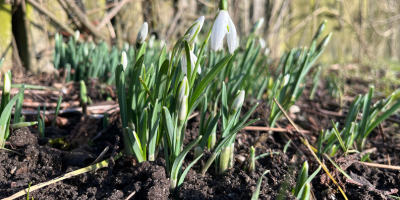
There’s a particular kind of beauty to this time of year. The earth still feels heavy with winter’s weight, but if you slow down and look closely, the signs of life are unmistakable. Snowdrops pushing bravely through frozen ground, buds swelling on bare branches, and the light – the light that stretches just a little further each evening – whispering that the turning of the seasons is already underway.
Imbolc, celebrated on the 1st or 2nd of February, is an ancient festival of renewal and hope. It marks the midpoint between winter solstice and spring equinox, when the land is poised between rest and awakening. The word Imbolc comes from Old Irish, thought to mean “in the belly,” reflecting the pregnant ewes, swelling seeds, and unseen life stirring beneath the soil.
For our ancestors, this wasn’t just about welcoming spring – it was about trusting in it. The days were still cold, food stores were dwindling, and yet Imbolc reminded them that the cycle of life was turning. It was a time to honour both the unseen and the yet-to-come, to clear away the old and prepare for the new.
GODDESS BRIGID
At the heart of Imbolc is Brigid, a goddess of many talents and domains. She is the guardian of the hearth and the keeper of the flame, the patroness of fertility and the poet’s muse, a healer, and a smith. Her energy weaves through the transformative cycles of life, reminding us of the interplay between destruction and creation, rest and renewal.
Folklore tells us that Brigid visits homes during Imbolc, bestowing blessings of health and prosperity. To welcome her, people would light candles or hearth fires, symbolising the returning warmth and light of the sun. Offerings of milk, bread, or butter were left for her, and a piece of cloth might be placed outside overnight for her to bless. This cloth, imbued with her energy, was kept throughout the year as a charm for healing and protection.
Brigid’s connection to the hearth and the land makes her a powerful figure for this time of year. She reminds us to tend not only to our physical spaces but to the inner flames that keep us warm, inspired, and alive.
SIMPLE RITUALS
Imbolc is a festival of simplicity, intention, and noticing the quiet stirrings of life. Here are some practices I find particularly grounding and meaningful at this time of year:
SORTING SEEDS AND PLANNING THE GARDEN
There’s something so satisfying about sitting down with a pile of seed packets, dreaming of the garden to come! For me, it’s not just about what I want to plant, but what I want to nurture – both in the soil and in myself. What do I want to grow this year? What needs care and attention to flourish?
LIGHTING CANDLES
Lighting a candle is a small but powerful way to mark the season. It’s a moment to pause, reflect, and honour the light returning to the world. It’s a little breathing space where I also focus on gratitude. As I watch the flame dance, I think about what I want to create, protect, or let go of in the months ahead.
HERBAL TEAS
Imbolc is the perfect time to turn to cleansing and supportive herbs. Nettle, cleavers, dandelion, and chickweed are some of my favourites for gently reawakening the body after winter. Here’s a simple tea blend to try:
- 1 teaspoon nettle leaf
- 1 teaspoon cleavers (or dandelion leaf as an alternative)
Steep in freshly boiled water for 15 minutes, strain, and enjoy. For a cold infusion, let cleavers steep in cool water overnight – it’s wonderfully refreshing. If you have chickweed growing nearby, you can nibble on it fresh; just give it a good rinse first!
HERBED MILK BREAD (PAIN AU LAIT AUX HERBES)
This soft, slightly sweet bread is popular in parts of my native Flanders. It is a beautiful way to honour Imbolc’s themes of fertility, renewal, and connection to the earth. Dairy, a traditional symbol of nourishment and new life, plays a central role in the festival, reflecting the lactation of ewes that signals the first stirrings of spring. The addition of herbs like rosemary and thyme aligns with the cleansing and protective energy of Imbolc, while the act of baking bread brings a sense of comfort, community, and grounding.
Ingredients:
- 250ml warm milk (use plant-based milk if preferred)
- 50g unsalted butter, melted (or vegan alternative)
- 2 tbsp honey or maple syrup
- 1 sachet (7g) dry yeast
- 500g strong bread flour
- 1 tsp salt
- 2 tsp chopped fresh rosemary
- 1 tsp chopped fresh thyme
- 1 beaten egg (optional, for glaze)
Method:
- In a small bowl, mix the warm milk, yeast, and honey. Let it sit for about 10 minutes until frothy.
- In a large mixing bowl, combine the flour, salt, rosemary, and thyme. Make a well in the centre and pour in the yeast mixture and melted butter.
- Knead the dough for about 10 minutes until smooth and elastic. Cover with a clean tea towel and let rise in a warm spot for 1 to 2 hours, or until doubled in size.
- Preheat the oven to 190°C (375°F). Shape the dough into small rolls or a loaf and place on a lined baking tray. Let them rest for another 20 to 30 minutes.
- Brush the tops with beaten egg for a golden finish.
- Bake for 20–25 minutes (for rolls) or 30–35 minutes (for a loaf) until golden and hollow-sounding when tapped.
- Serve warm with a drizzle of honey, a dollop of herb butter, or alongside a bowl of hearty soup.
WALKING IN NATURE
Few things connect us more to the turning of the seasons than a walk in nature. Bundle up, step outside, and look for the subtle signs of change – the snowdrops blooming, the buds beginning to swell, the songs of birds returning. Walking with intention, noticing these details, feels like a conversation with the earth.
MODERN MEANING OF IMBOLC
Imbolc reminds us that growth doesn’t always look like action. Sometimes, it’s unseen. Sometimes, it’s slow. It’s the seed germinating in the dark, the small flame flickering into life, the quiet hope that carries us through.
For me, this year, Imbolc feels like an invitation to reflect on the seeds I’m planting in my work. In The Crafty Herbalist Academy, I’m thinking about how I can deepen the experience for my students, weaving in more of nature’s wisdom and creating a space where they, too, can discover the quiet magic of herbs.
What about you? What seeds – literal or metaphorical – are you planting this year? Imbolc doesn’t ask for grand gestures; it celebrates the small beginnings, the quiet promises of what’s to come.