As the crisp days of October settle in, I’m always reminded of my childhood walks through the woods with my grandmother. She was the one who taught me to pay attention to the changing seasons, to notice the way the trees shed their leaves and the earth prepared itself for rest. Back then, I didn’t fully understand the wisdom she was passing on, but now, as a herbalist, it all makes perfect sense.
October is a month of transition – a time when the energy of the year shifts from the outward expression of summer to the quiet inwardness of autumn. We begin to retreat from the busyness of the warmer months, seeking warmth, nourishment, and protection from the colder days ahead. This seasonal transition aligns beautifully with traditional herbal energetics, which have long recognised the importance of supporting the body during times of change.
WISDOM OF AUTUMN’S ENERGETICS
In the world of herbal medicine, autumn is seen as a time for grounding and warming the body. As the weather cools, our bodies naturally crave warmth and nourishment, both in the foods we eat and the herbs we use. It’s a time to protect the body from the chill, support the immune system, and prepare for the slower pace of winter.
The ancient principles of energetics tell us that autumn brings with it a cold and dry quality, which can leave us feeling a bit out of balance if we don’t support ourselves properly. This is why warming, moistening, and immune-supporting herbs are perfect allies during this season. Think of herbs like ginger, garlic, horseradish, and cayenne – each one brings warmth and circulation to the body, helping us adapt to the colder, damper weather.
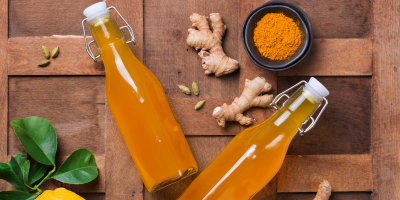
One of my favourite ways to harness these energetics in a simple, practical way is by making Fire Cider. For those who may not be familiar, fire cider is a traditional herbal tonic that blends warming, pungent herbs with apple cider vinegar to create a powerful immune-boosting remedy. It’s spicy, invigorating, and has a way of warming you from the inside out – perfect for those chilly autumn mornings when you feel the cold creeping in.
THE STORY BEHIND FIRE CIDER
Fire cider has a rich history in folk medicine, and it’s one of those remedies that has stood the test of time. The recipe is traditionally made with a base of pungent, circulatory-stimulating ingredients like garlic, ginger, and horseradish, all of which help to warm the body and fend off illness.
I first learned about fire cider many years ago when I was starting out on my herbal journey. It feels a bit like capturing the essence of autumn’s harvest in a bottle. Over the years, it’s become a household staple for me and my family – something I make every autumn and keep on hand throughout the colder months. It’s simple to make, full of immune-boosting goodness, and it’s one of those remedies that feels like an old friend.
THE SCIENCE OF FIRE CIDER
The ingredients in fire cider aren’t just traditional – there’s science to back up their effectiveness. For example, garlic contains allicin, a compound known for its antimicrobial properties, making it a great ally during cold and flu season. Ginger has long been used to support digestion and circulation, and it’s also a potent anti-inflammatory. Horseradish is another powerful herb, traditionally used for respiratory support, helping to clear out congestion. And let’s not forget apple cider vinegar, which helps to extract the beneficial compounds from the herbs and acts as a natural preservative.
These warming herbs also help to promote circulation, moving stagnant energy and helping the body adapt to colder temperatures. Fire cider can be taken as a daily tonic to strengthen the immune system or used at the first sign of a cold to knock it on the head before it takes hold.
Fire Cider Recipe
I’d like to share this simple but effective fire cider recipe with you. You can easily adjust it to suit your taste or what you have available in the pantry. I adjust this base blend every year – this season I’m loving some orange and rosemary!
Ingredients:
- half a cup of fresh grated horseradish root
- half a cup of fresh grated ginger root
- half a cup of chopped garlic
- half a cup of chopped onion
- one fresh hot pepper (such as cayenne or jalapeño), chopped
- zest and juice of one lemon or orange
- a few sprigs of fresh rosemary and thyme
- apple cider vinegar (enough to cover the herbs)
- local honey to taste
Method:
- Place all the chopped herbs and spices into a clean, wide-mouth jar.
- Pour apple cider vinegar over the herbs until they are fully submerged. Use a piece of parchment paper under the lid to prevent the vinegar from corroding the metal, or use a plastic lid if you have one.
- Let the mixture infuse for about four weeks in a cool, dark place. Shake the jar daily if you can, to ensure all the ingredients are fully submerged and mixing.
- After four weeks, strain the herbs out using a fine mesh strainer or cheesecloth. Add honey to taste if you like a bit of sweetness.
- Bottle the fire cider and store it in the fridge. It should last for several months, though it rarely sticks around that long!
How to use: you can take fire cider by the spoonful at the first sign of illness or as a daily tonic to keep your immune system strong. Some people like to mix it with warm water or tea, while others take it straight – it’s up to you! I often drizzle a bit over salads or add it to soups for an extra kick.
Embracing Autumn’s Wisdom
As we move deeper into autumn, making fire cider has become a way for me to honour the wisdom of the season – a small ritual that keeps me connected to nature’s rhythm. It’s a timely reminder that we have the tools to support ourselves, to ground and nourish our bodies, and to find balance in the natural cycles around us.